 15 min read

TL;DR: Growing a Music Channel on YouTube in 2026
- Official Artist Channel (OAC) comes through your distributor (DistroKid, TuneCore, CD Baby, and similar partners), not YouTube directly, folding your channel, Topic channel, and Vevo presence into one profile with a music-note badge.
- YouTube is testing Station, its own native 24/7 artist livestream, but so far only a small group of acts has access to it; a pre-recorded stream gets any musician the same result today.
- A continuous lo-fi or genre-playlist stream builds an audience that keeps watching between releases, with no daily uploads required.
- Shorts built around your tracks work as a discovery funnel: a short clip can send new listeners to the full song and your channel.
- Creator Music, YouTube's in-Studio licensing catalog, keeps growing, giving musicians more legal placement inside other creators' videos.
Develop a Clear Content Strategy
Start by building a detailed, well-thought-out content strategy. Base it on trends in addition to your existing tracks, and research popular music creators on the platform to see what actually got them there.
Identify your target audience
First, define your target audience by building a portrait of the average viewer: age, location, interests, gender, and anything else your channel analytics reveal. Aim for loyal fans over one-time viewers. The more accurately you can describe them, the sharper everything else in this guide becomes.
Post more than just music videos
Music videos and lyric videos will anchor your channel, but they shouldn't be the only thing on it. Behind-the-scenes footage of your creative process pulls viewers closer, and YouTube Shorts reach people who've never heard of you: a well-clipped hook from a track travels far beyond your current subscriber base and sends new viewers straight to the full song. Round things out with the occasional piece on your process or the story behind a release.
Plan and schedule your content
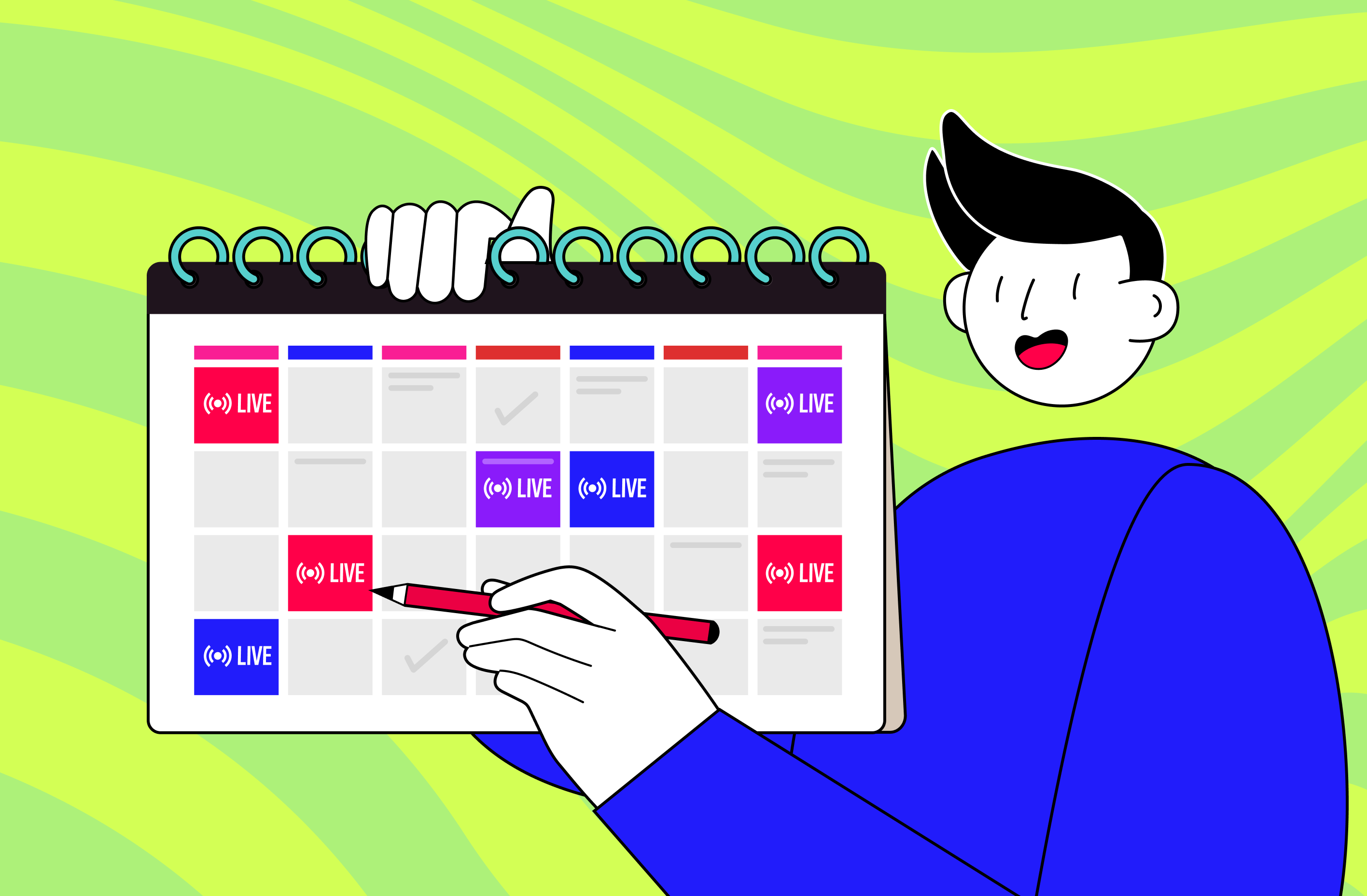
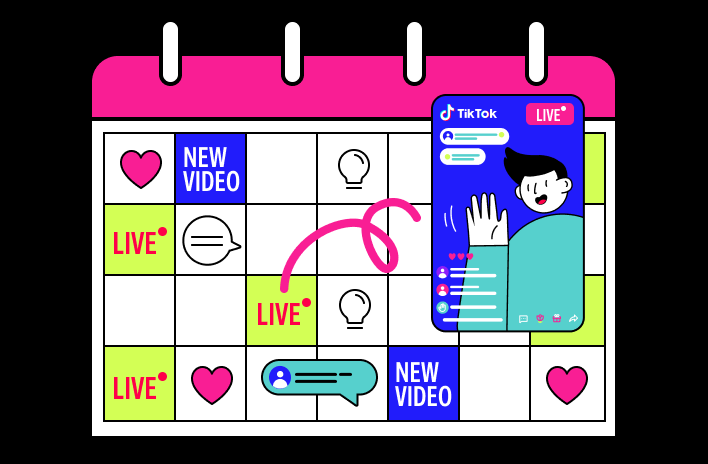
Once you have a mix of formats, build a posting schedule around your audience's peak activity windows and a release cadence you can actually sustain. Treat each format as its own commitment, with a clear goal and frequency, rather than a vague promise to "post regularly." The table below shows how that typically breaks down for a music channel.
| Content type | Goal | Recommended frequency |
|---|---|---|
| Official music video | Anchor a release, drive streaming and shareable moments | Per release |
| Lyric video | Catch search traffic for a track faster and cheaper than a full video | Within days of a release |
| Live performance / behind-the-scenes | Build trust and a sense of access to your process | 1–2 times per week |
| YouTube Shorts | Pull new listeners toward full tracks and subscriptions | 3–5 times per week |
| 24/7 lo-fi / genre-playlist stream | Background watch time that runs between releases | Continuous, once set up |
That last row deserves a closer look. A stream built from videos you've already uploaded costs far less than sitting on camera around the clock, and it keeps your channel visible to viewers while you sleep. One creator's jump in views and revenue after switching to this format shows what that can look like in practice, and Gyre is built specifically to run this kind of continuous, pre-recorded broadcast.
Leverage YouTube's Tools for Musicians
Specialized tools for artists on YouTube can promote your content effectively within the platform. YouTube Ads for musicians let you target people already drawn to your style and send them straight to your channel. There's also a program built specifically for verified artists, which the next section covers in detail.
Here, you can learn even more about the tools and services for promotion on YouTube.
Claim Your Official Artist Channel
An Official Artist Channel (OAC) folds your self-managed channel, your auto-generated "Topic" channel, and a linked Vevo channel (if you have one) into a single hub, marked by a small music note next to your name. The standard grey verification checkmark asks for 100,000+ subscribers; an OAC doesn't ask for a subscriber count at all. What decides eligibility is your music distribution, not your audience size.
To qualify, your channel needs to:
- Represent a single artist or band, not a label, a fan page, or mixed content;
- Have at least one official release distributed to YouTube through a partner listed in YouTube's Services Directory for Music Partners (DistroKid, TuneCore, and CD Baby are common picks), plus ideally one video you've uploaded yourself alongside that release;
- Stay clean on YouTube's Community Guidelines, Terms of Service, and copyright rules. An active strike suspends OAC status until it clears.
YouTube doesn't take OAC requests directly; the claim runs through your distributor or label. DistroKid, TuneCore, and CD Baby each have a dedicated option for this inside their own dashboards, and review typically takes a few weeks once you submit. Once it clears, your subscriber counts fold into one number, a "Releases" tab turns into an automatic discography, and you pick up YouTube Analytics for Artists plus a "Popular sounds from Shorts" shelf that surfaces your tracks whenever other creators use them.
Optimize Your Videos for Discovery
A handful of fundamentals decide whether people actually find your videos and channel:
- Customize your channel design. Build a banner that reflects your style and genre (check it works on every device), and write a channel description with your genre, influences, and history baked in;
- Apply SEO to your videos. Research what your listeners actually search for, then fold it into titles, descriptions, and tags. A strong description stays detailed and credits collaborators, with links to albums and outside profiles;
- Create thumbnails people want to click. Build bright, clear images with an obvious call to action, and match every thumbnail to what the viewer actually sees once they click;
- Push watch time up. YouTube weighs it heavily, so long-form formats such as track lists, song-creation stories, or podcast-style episodes carry real weight, and a direct ask for likes, comments, and shares reinforces the same signal;
- Stay consistent. Group tracks into themed playlists so listeners find more of your work faster, cross-link related videos to stretch session length, and hold a schedule your audience can set a clock by.
Build a 24/7 Music Stream
Lo-fi, ambient, and genre-playlist loops have become one of the steadiest ways for a music channel to stay in front of viewers between releases. In one Gyre case study of a music radio loop, a creator running 15–25 concurrent streams pulled over 98% of total watch time from continuous playback alone, and traffic from YouTube's recommendations climbed from 22% to 41.8%. That's a strong sign the algorithm rewards this format specifically for music.
YouTube is testing something similar of its own. A feature called Station, which surfaced in early 2026, lets an artist run a 24/7 stream built from their own music videos, chat included. So far it's reached only a small group of acts, Bruno Mars among the first, and it went public as a linear "Coachella TV" channel at Coachella 2026. There's no word yet on when it opens up more broadly.
Until it does, a pre-recorded stream gets the same result today. Gyre pushes a looping playlist of your own tracks through the RTMP protocol into YouTube's live ingest, so the broadcast shows up in the Live tab like any real-time stream, minus the part where someone has to sit at a computer running it. Load in a lo-fi set or a themed playlist, set the schedule once, and it keeps going on its own.
Experiment With Livestreaming
Live streams remain a strong way to grow a channel, pull in an audience, and support your monetization plan. Plenty of musicians hold online concerts, a format that took off during the pandemic era when offline shows weren't an option. A scheduled show isn't the only route, either: if hours on camera don't appeal to you, you can stream from videos you've already recorded.
On the money side, a few paths stand out. Super Chats and Super Stickers turn each live session into paid engagement. You can also point viewers toward Patreon for donations, or nudge them toward a Premium subscription.
Engage With Your Audience
A few habits turn casual viewers into regulars:
- Greet viewers by name during live streams, especially the ones who comment often, ask questions, or donate. It tells them they matter to you;
- Run AMA sessions so people can ask about exactly what interests them, your creative process included;
- Ask what song they'd like performed live, or what your next stream should focus on;
- Use polls to learn what your audience actually wants while boosting engagement at the same time;
- Save some things for your audience only, whether that's a song premiere or a behind-the-scenes moment;
- Reply to comments, even the unfriendly ones. A warm, trusting atmosphere is the whole point.
Collaborate and Network
Working with other creators can open doors a solo channel can't reach on its own. A few ways to make that happen:
- Record joint tracks with other musicians: duets, covers, remixes;
- Invite colleagues onto your streams, and show up on theirs in return;
- Pair up with artists from other genres to reach past your usual audience;
- Enter challenges and competitions, which tend to spread fast and bring in subscribers who stick around.
Track Analytics and Adjust
YouTube Analytics holds the data that keeps a music channel improving over time:
- Watch time shows exactly where viewers lose interest, which reshapes how you build the next video;
- Demographics tell you who's actually watching, so content can match who's there rather than who you assumed was there;
- Traffic sources point to where most viewers come from, so you know which channels are worth doubling down on;
- Click-through rate is a direct read on whether your titles and covers are pulling their weight;
- Comments and likes flag which content lands hardest with your audience.
Promote Your Channel Outside YouTube
YouTube is only one piece of a full promotion strategy, so bring in Instagram, TikTok, and Facebook too. Teasers and highlights pulled from your videos can redirect that audience back to your channel, and streaming platforms like Spotify and Apple Music are worth linking from your channel as well.
More advanced moves include email newsletters, useful once you have a subscriber base to notify about new videos or exclusive content, and offline promotion: interviews or live shows where you can point people toward your channel directly.
Key Takeaways
- Claim an Official Artist Channel through your distributor to consolidate your presence and pick up the verified music-note badge.
- Set up a 24/7 stream (lo-fi, ambient, or genre playlists) so your channel keeps building watch time between releases, with nobody behind a camera.
- Use Shorts built around your tracks as a discovery engine: a short clip can introduce listeners who then go looking for the full song.
- Keep listeners around longer with themed playlists, which lift session watch time and shape how the algorithm reads your channel.
- Hold a release schedule steady enough that both the algorithm and your audience learn to expect new music from you.
FAQ
How do musicians get an Official Artist Channel on YouTube?
Apply through your music distributor (DistroKid, TuneCore, CD Baby, or your label) rather than through YouTube directly. Once you have at least one official release live on YouTube and meet the program's criteria, your channel merges into one profile with a music-note badge.
Do 24/7 music streams help grow a music channel?
Yes. A continuous stream, lo-fi or genre playlists among the most common choices, builds an audience that keeps watching, keeps racking up watch time, and keeps the channel active in the algorithm between releases. Tools like Gyre run it without you staying online yourself.
Should musicians use YouTube Shorts?
Yes. Shorts built around your tracks are one of the fastest discovery tools available. A short clip can introduce new listeners who then look up your full songs and subscribe.
How important are playlists for a music channel?
Very. Playlists keep listeners watching multiple videos in one sitting, which raises watch time and tells YouTube your channel holds an audience's attention.